
Laramie, Wyoming – Trailhead Restroom Building
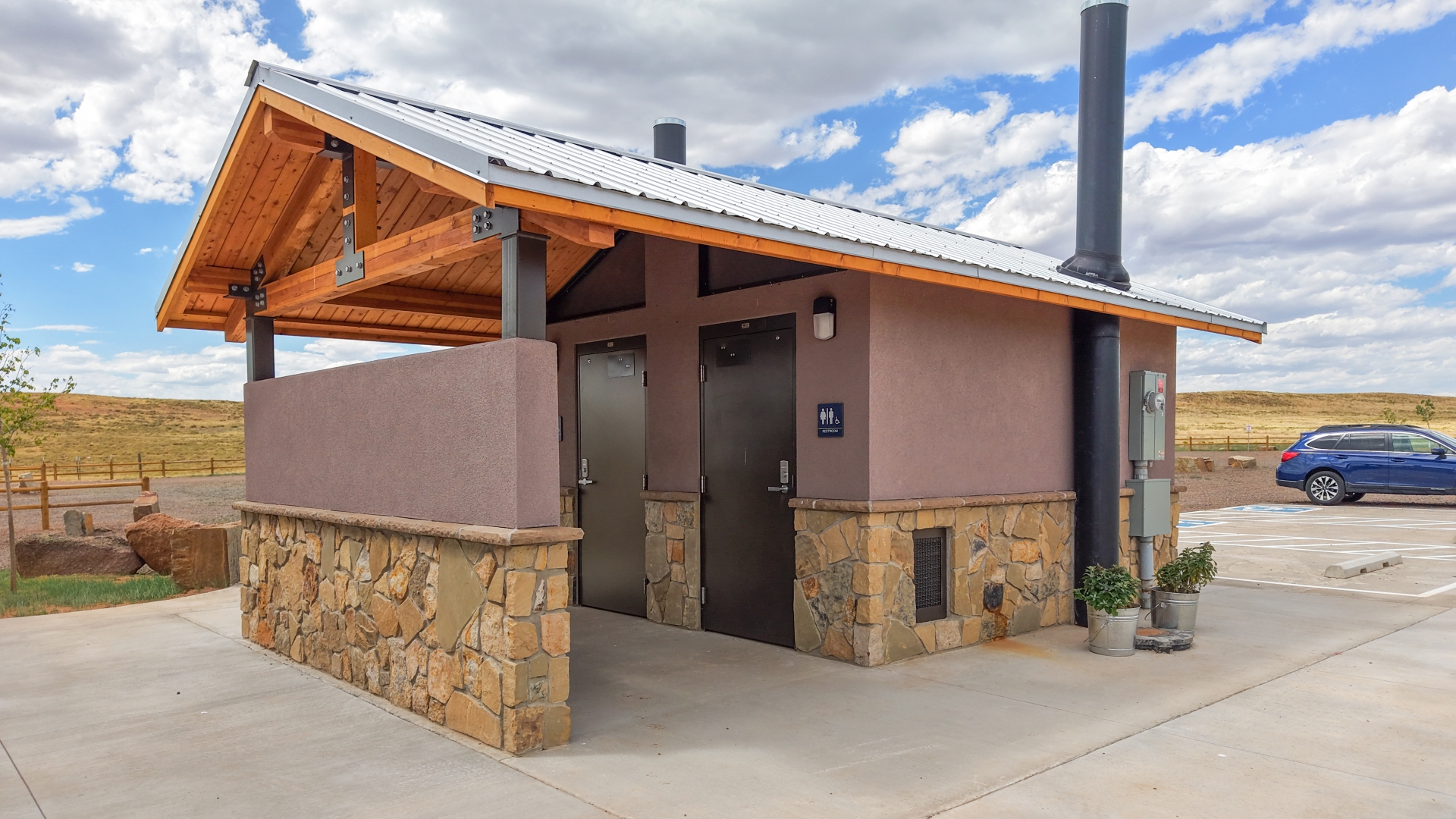
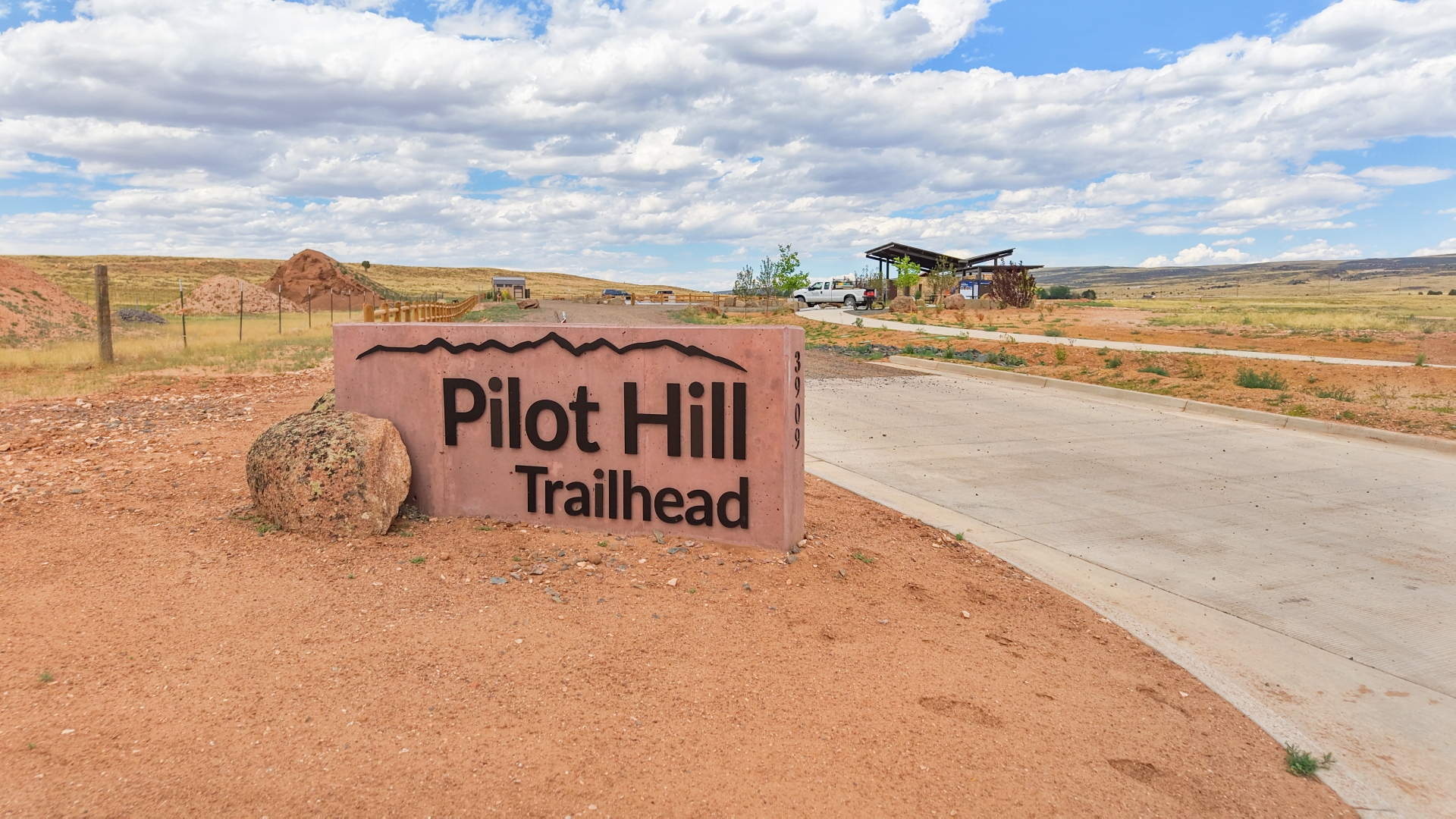
Romtec designed and supplied a trailhead restroom building for the Pilot Hill Project in Laramie, Wyoming. Developed for Pilot Hill Inc., the facility serves a growing recreation area that provides public access to thousands of acres of open space, trails, and wildlife habitat just outside the city.
The building was installed as part of a larger trailhead improvement project focused on expanding visitor amenities while preserving the site’s natural character. Working with Pilot Hill Inc., Russell + Mills Studio, and the project team, Romtec delivered a waterless restroom facility tailored to the needs of this unique recreation destination.
Today, the completed building serves trail users, outdoor enthusiasts, and community groups, creating a more welcoming trailhead experience for visitors exploring the Pilot Hill property.
Project Gallery
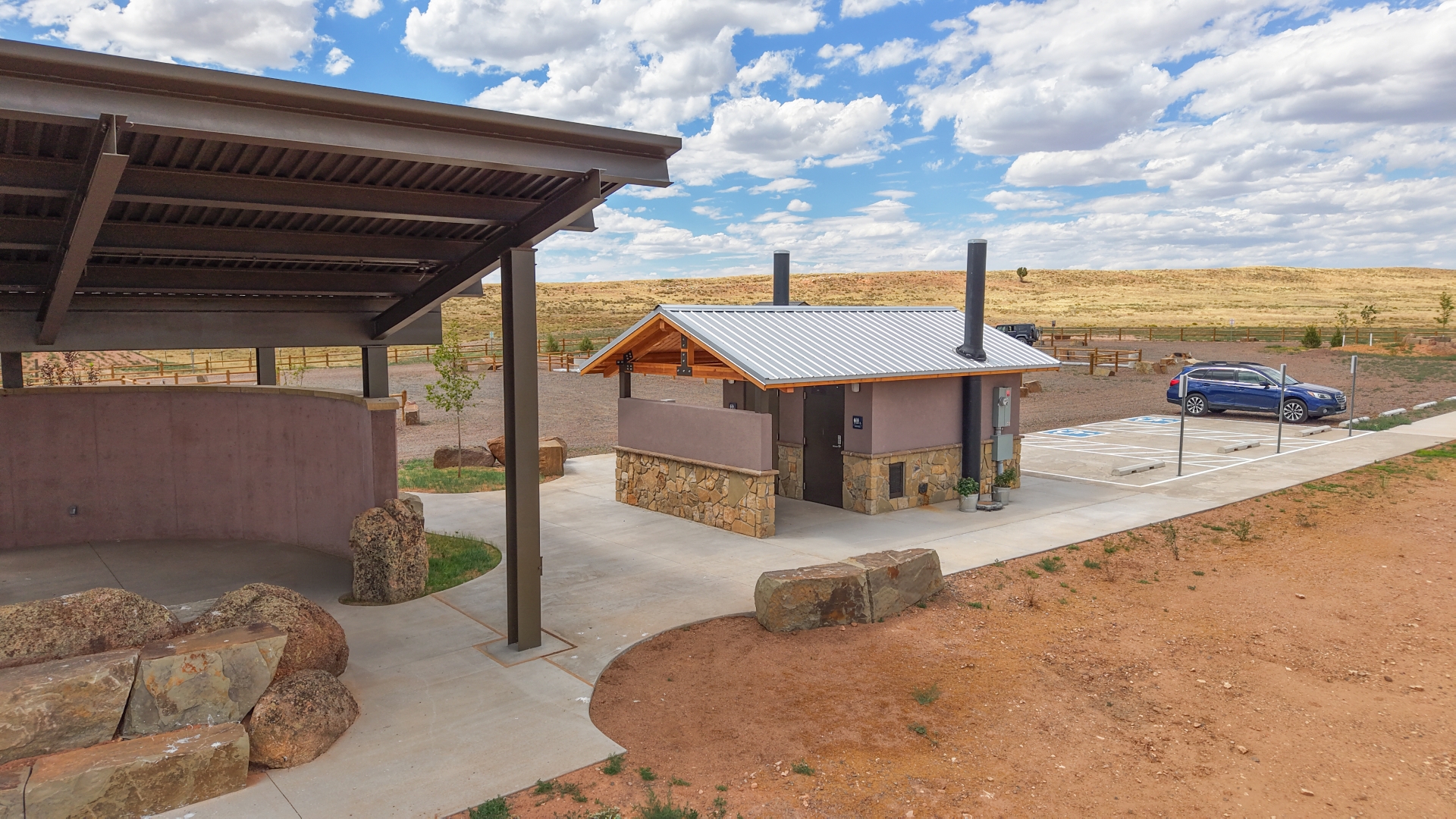
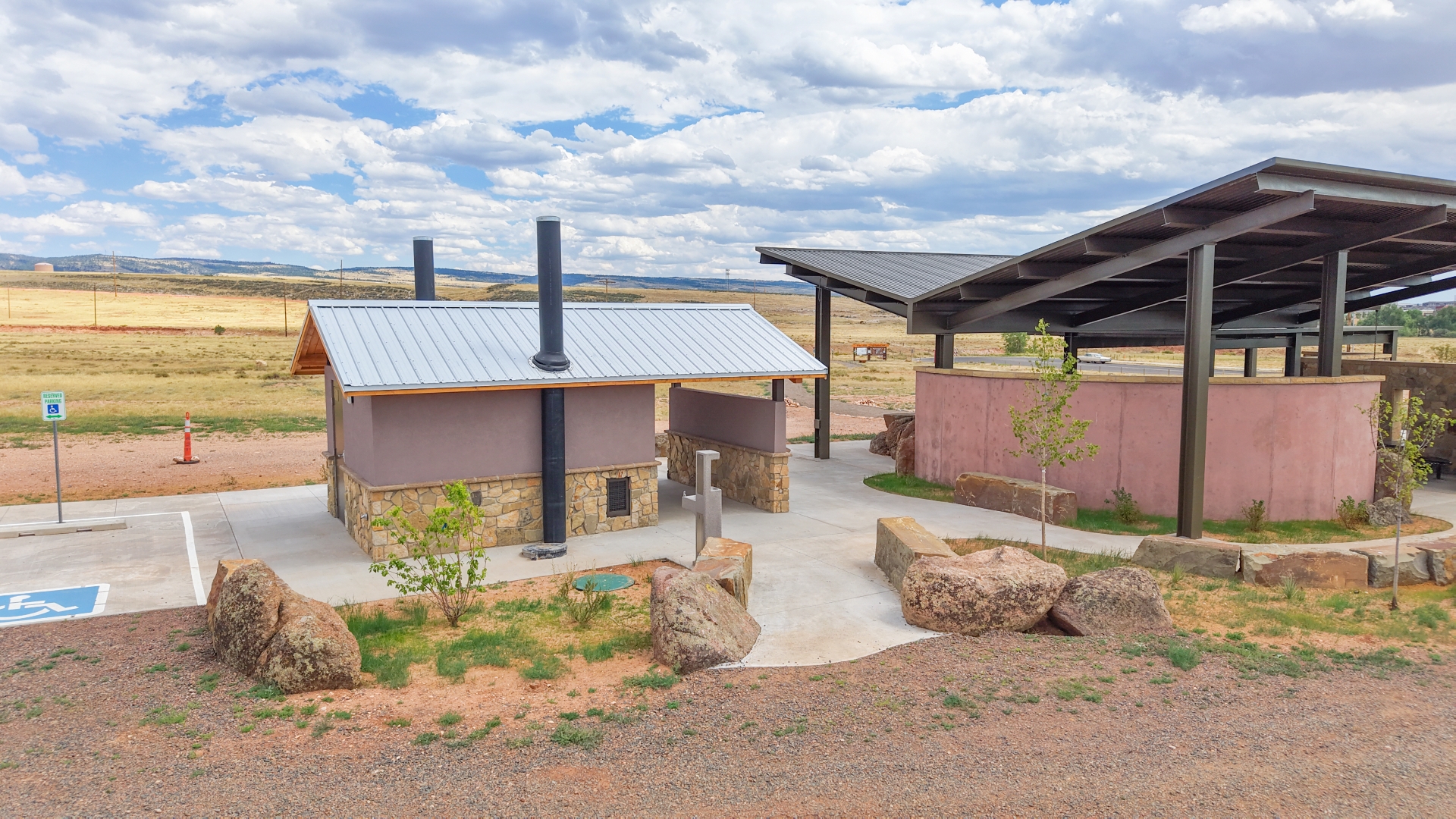
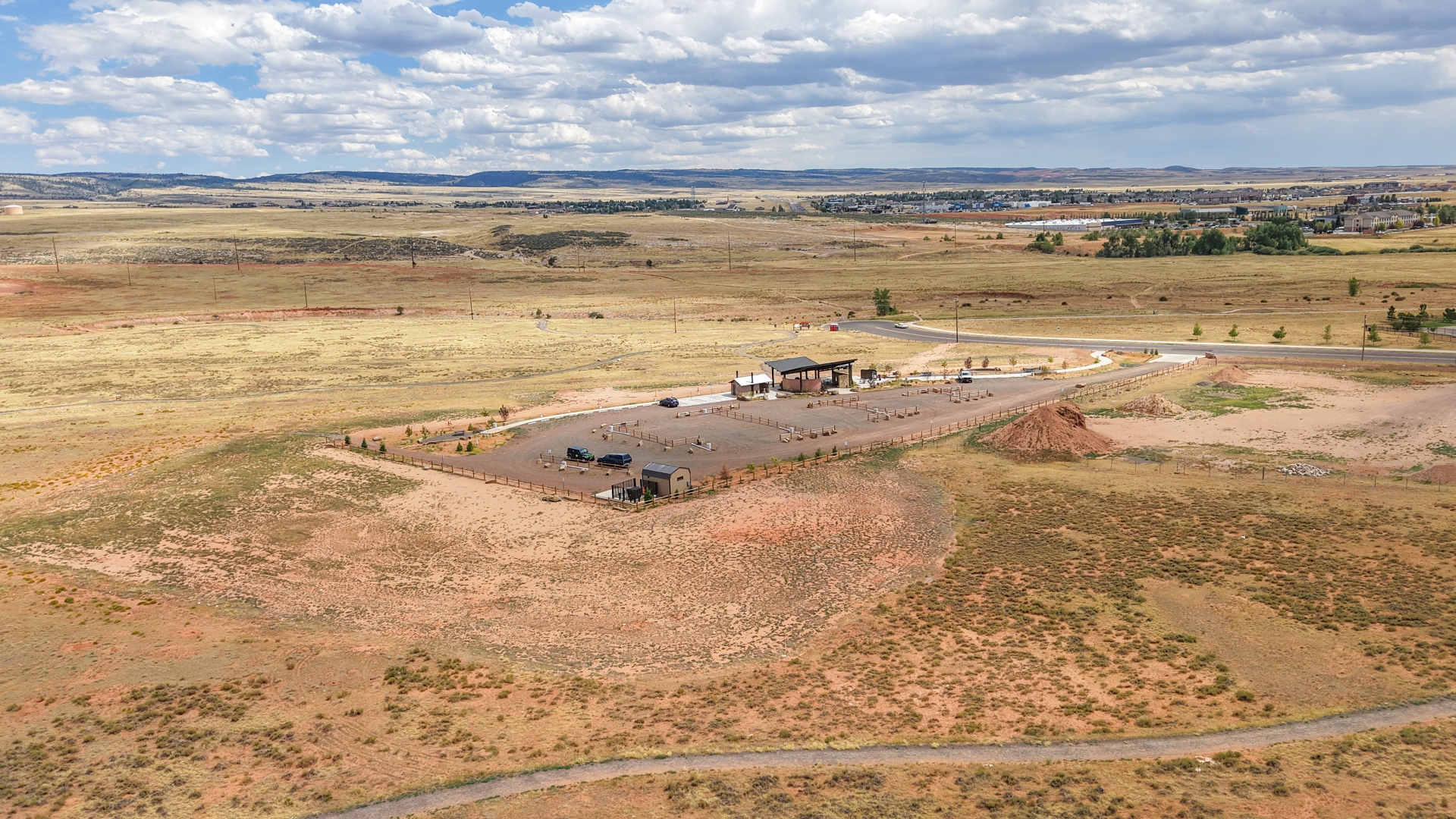
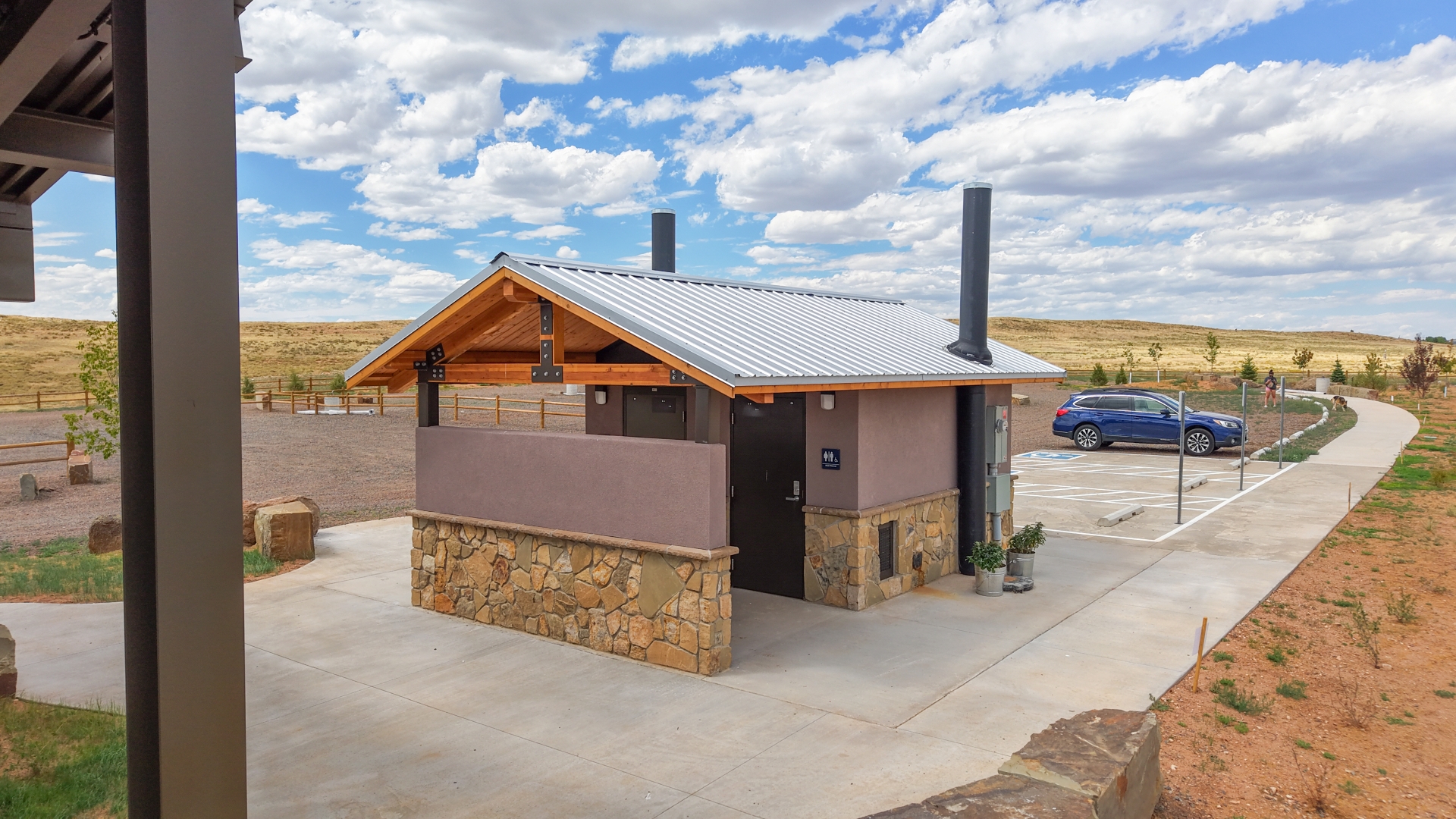
Pilot Hill Recreation and Open Space Project
The Pilot Hill Project is a nonprofit-led effort focused on protecting open space, preserving wildlife habitats, safeguarding the Casper Aquifer recharge area, and creating recreational opportunities for residents and visitors. Located immediately adjacent to Laramie, the property includes thousands of acres of conserved land and an extensive trail network supporting hiking, mountain biking, trail running, horseback riding, and educational activities.
As public use of the area continued to grow, project leaders developed plans for a new trailhead facility that would improve access and provide amenities for visitors.
The trailhead project includes:
- Visitor gathering areas
- Trail access improvements
- Parking facilities
- Landscaping
- Educational features
- Shelters and seating areas
- Permanent restroom facilities
Together, these improvements create a welcoming gateway to the property and make it easier for visitors to enjoy the area’s trails, open space, and educational opportunities.
Trailhead Restroom Building Design
The trailhead restroom building was designed as a waterless facility that minimizes utility requirements while providing a durable public amenity.
The building includes:
- Two unisex restroom spaces
- Waterless restroom system
- Integrated storage area
- Vented waste vault system
- Accessible entrances
- Durable masonry construction
By utilizing a waterless configuration, the project team was able to provide restroom facilities without requiring a conventional wastewater collection system. This approach is well suited for remote recreation areas where utility infrastructure may be limited.
The compact floor plan makes efficient use of the trailhead site and allows room for accessible circulation and routine maintenance. Its straightforward design is intended to withstand frequent public use and the demands of Wyoming’s climate.
Waterless Restroom Facility Features
Waterless restroom buildings provide important advantages in outdoor recreation environments.
Unlike traditional flush facilities, waterless restroom systems reduce infrastructure requirements and offer dependable long-term operation. They can be installed at trailheads, parks, and recreation sites where water and sewer service may not be readily available.
For the Pilot Hill project, the building includes reinforced vault components, durable interior finishes, and commercial-grade fixtures selected for frequent public use.
The layout separates the two restroom rooms within a compact footprint that fits the trailhead setting. A dedicated storage area gives maintenance staff convenient space for equipment and routine upkeep.
Together, these features create a practical facility that minimizes utility demands, simplifies maintenance, and delivers reliable service in a remote recreation environment.
Trailhead Restroom Facility Architecture and Site Integration
The trailhead restroom building was designed to complement the surrounding landscape and other improvements planned for the site.
The structure incorporates:
- Masonry construction
- Stone veneer accents
- Stucco finishes
- Decorative timber elements
- Metal roofing
- Natural color palette
These materials create a building that feels appropriate for the Wyoming landscape while maintaining a cohesive appearance with the rest of the trailhead. The natural finishes reflect the character of the site without competing with its scenic surroundings.
Supporting Outdoor Recreation
Pilot Hill welcomes hikers, mountain bikers, trail runners, equestrians, students, and community groups throughout the year. As visitation has grown, dependable amenities have become an important part of creating a positive trailhead experience.
Whether visitors are beginning an outing or returning from the trails, the facility offers a convenient amenity that makes longer visits more comfortable and encourages continued use of the recreation area.
Outdoor Recreation Restroom Coordination
The project was developed through collaboration between Pilot Hill Inc., RVi Planning + Landscape Architecture, and Romtec.
Throughout the process, the project team refined the building’s layout, materials, and architectural details to complement the larger trailhead improvement project and the surrounding landscape.
The completed facility reflects that coordinated effort, creating a restroom building that fits naturally within the site while meeting the long-term needs of visitors and property managers.
Project Partners
Several organizations collaborated on this project:
- Owner: Pilot Hill Inc.
- Owner Representative: Sarah Brown
- Project Representative: Russell Mills
- Landscape Architect: RVi Planning + Landscape Architecture
- Building Provider: Romtec
Each organization contributed to creating a trailhead that improves public access, enhances visitor amenities, and supports the long-term stewardship of the Pilot Hill property.
Trailhead Restroom Building Conclusion
The Pilot Hill Project demonstrates how a thoughtfully designed trailhead restroom building can enhance a recreation destination without requiring extensive utility infrastructure. Its waterless system, durable construction, and site-appropriate architecture make it a practical addition to this expanding trail network.
As visitation continues to grow, the facility will remain an important part of the trailhead by offering dependable public amenities that encourage responsible recreation and improve the overall visitor experience.
Don’t Just Take Our Word For It!

Tell Us About Your Project!
Lets get your project moving forward! Tell us about your project and our team will get to work on a personalized solution than meets your needs.